
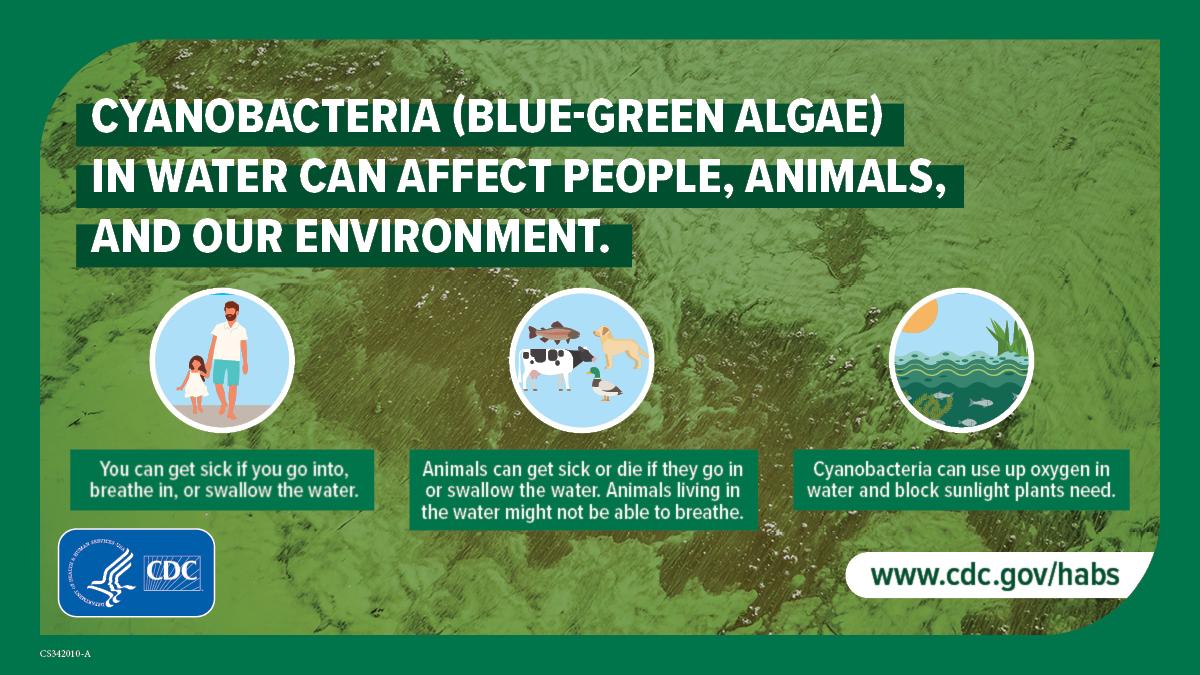
It’s officially summer, temperatures are rising, and that means it’s blue-green algae season here in Austin.
Blue-green algae, or cyanobacteria, has been detected in Austin waterways since 2019, when several dogs died after swimming in Lady Bird Lake. Algae thrives in warm water and it’s best to take precautions.
Here’s what you need to know:
🫡 Assume Harmful Algae Is Present
It’s best to believe harmful algae and other dangers like bacteria and parasites are always present in Austin waterways. The city suggests treating all algae as though it’s toxic.
“Although we keep an eye on the condition of our lakes and creeks, there is no amount of testing that could be done to assure them safe from all risk,” the city says.
🦠 There Are Signs To Look For
Stagnant water with scum, film, or algae mats on the surface are all signs that harmful algae may be present. Blue-green algae can show up as slimy blobs, typically dark green or dark blue with green, and can be mixed with other algae.
🚨 The City Tested a Prevention Program
Over the course of five years, city watershed officials applied clay to areas of Lady Bird Lake meant to starve blue-green algae and prevent it from growing. Areas included: Red Bud Isle, the boat ramp on the north shore of the lake west of Interstate 35, and the north shore of the lake between Interstate 35 and the lagoon behind the Festival Beach Boat ramp.
The program started in 2021 and involved workers spraying the clay from a barge into the water. This year, the city plans to observe the treated areas and evaluate the effectiveness of the program.
☝️ What Not To Do
- Don’t drink from natural waterways.
- Avoid contact with algae.
- Keep your animal out of algae-infested waters.
- If your animal does end up in the water, make sure you rinse their fur afterward and keep them from licking their fur.
😷 Symptoms To Look for in Your Dog
Symptoms your dog has ingested harmful algae can occur anywhere from 15 minutes to days after they’ve been exposed, the American Kennel club says. Watch for:
- Diarrhea or vomiting
- Drooling
- Neurologic signs such as weakness, disorientation/confusion, collapse or unconsciousness, and seizures
- Breathing difficulties
If you see any of these symptoms, contact your dog’s vet as soon as possible to avoid injury or death.